
instructional aides
Instructional Aides: A Comprehensive Guide
Role and responsibility, though seemingly alike, differ greatly in organizational contexts; understanding these distinctions is crucial for effective collaboration and success.
What are Instructional Aides?
Instructional aides, also known as paraprofessionals or teacher’s assistants, are vital members of the educational team, providing crucial support to teachers and students. Their primary function revolves around assisting in the delivery of educational programs, fostering a positive learning environment, and enabling students to achieve their full potential.
Unlike teachers who are responsible for curriculum development and overall instruction, instructional aides work under the direction of certified educators. They contribute by reinforcing lessons, providing individualized attention, and managing classroom activities. The core of their role centers on supporting both the teacher’s efforts and the diverse needs of students within the classroom setting.

Essentially, they bridge gaps in instruction and offer personalized assistance, ensuring that all students have access to a quality education. Their contributions are fundamental to a well-functioning and effective learning environment.
The Historical Development of Instructional Aides
The emergence of instructional aides is closely tied to evolving educational philosophies and increasing classroom complexities. Initially, support roles in education were largely informal, often filled by parent volunteers or community members assisting with basic tasks. However, the mid-20th century witnessed a growing need for dedicated assistance, spurred by initiatives like Title I of the Elementary and Secondary Education Act of 1965.
This legislation, aimed at improving educational opportunities for disadvantaged students, fueled the demand for paraprofessionals to provide individualized support. Over time, the role expanded beyond basic clerical duties to encompass more direct instructional assistance.
The Individuals with Disabilities Education Act (IDEA) further solidified the importance of aides, mandating support for students with special needs. Today, instructional aides are recognized as essential professionals, contributing significantly to inclusive and effective educational practices.
Types of Instructional Aides
Instructional aides encompass a diverse range of roles, categorized by the specific support they provide. Teacher’s aides generally assist with classroom management and preparation, freeing up the teacher for focused instruction. Paraprofessionals often work one-on-one with students needing individualized attention, including those with disabilities.
Special education aides are specifically trained to support students with IEPs (Individualized Education Programs), assisting with modifications and accommodations. Bilingual aides bridge communication gaps for English Language Learners, providing support in their native language.
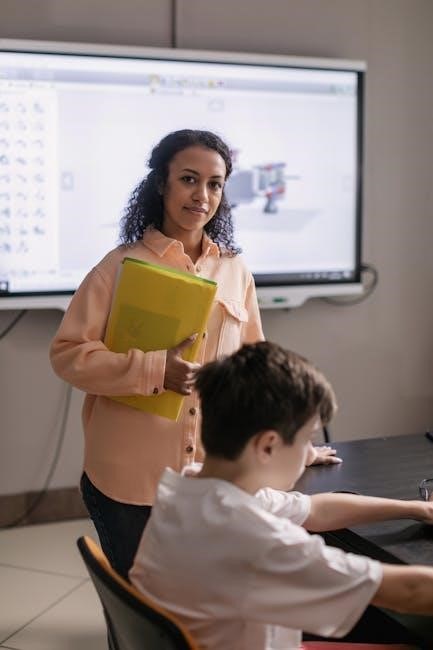
Furthermore, technology aides assist with integrating technology into the classroom, while library aides support literacy initiatives. The specific titles and responsibilities can vary depending on the school district and student needs, but all contribute to a more supportive learning environment.
Visual Aides (Charts, Graphs, Videos)
Visual aids are powerful tools for enhancing comprehension and retention, and instructional aides frequently utilize them. Charts and graphs effectively present data and relationships, making complex information more accessible to students. Videos offer dynamic learning experiences, bringing concepts to life through real-world examples and demonstrations.
Aides assist in selecting appropriate visuals aligned with learning objectives, ensuring they are age-appropriate and engaging. They may also help students interpret the information presented, fostering critical thinking skills.
Proper integration of visual aids requires careful planning and execution; aides play a vital role in this process, supporting both the teacher and the students to maximize learning outcomes through impactful visual representations.
Auditory Aides (Recordings, Music, Lectures)
Auditory aides cater to diverse learning styles, and instructional aides skillfully incorporate them into lessons. Recordings, such as audiobooks or language practice materials, provide repeated exposure and reinforce concepts. Music can create a positive learning atmosphere and aid memorization, particularly with rhythmic patterns or jingles.
Aides often assist in preparing and managing audio equipment, ensuring clear sound quality during lectures or presentations. They may also help students with note-taking or provide individualized support for those who benefit from auditory reinforcement.
Effective use of auditory aides requires sensitivity to student needs and careful consideration of the learning environment, maximizing engagement and comprehension.
Kinesthetic/Tactile Aides (Manipulatives, Hands-on Activities)
Kinesthetic and tactile aides are vital for students who learn best by doing. Instructional aides expertly facilitate the use of manipulatives – objects like blocks, counters, or puzzles – to illustrate abstract concepts in a concrete way. These tools allow students to physically interact with the material, fostering deeper understanding.
Hands-on activities, such as science experiments or art projects, provide opportunities for active learning and skill development. Aides assist in preparing materials, supervising activities, and ensuring a safe and productive learning environment.
They also support students who require individualized assistance with these activities, promoting engagement and reinforcing learning through direct experience.
The Role of Instructional Aides in Different Educational Settings
Instructional aides demonstrate remarkable adaptability, tailoring their support to diverse educational landscapes. Their core function – enhancing student learning – remains constant, but the specific tasks vary significantly. Understanding these nuances is key to effective implementation.
Across settings, aides bridge gaps between teachers and students, providing individualized attention and reinforcing lessons. They contribute to a positive classroom climate, fostering engagement and participation. Role and responsibility are clearly defined within each context.
From elementary schools to higher education, and particularly within special education, aides play a crucial role in maximizing student potential and ensuring inclusive learning experiences.
Elementary School Aides
Instructional aides in elementary schools are foundational in nurturing young learners. They frequently work in small groups, providing targeted support with foundational skills like reading and mathematics. Aides assist with classroom management, creating a structured and supportive learning environment for often energetic students.
Their role and responsibility extends to preparing materials, assisting with art projects, and supervising recess or lunch. They offer individualized attention to students needing extra help, reinforcing concepts taught by the teacher. Patience and a playful approach are essential qualities.
Aides also support students with special needs, ensuring they have access to the curriculum and participate fully in classroom activities, fostering early positive educational experiences.
Secondary School Aides
Instructional aides in secondary schools navigate a more complex academic landscape, supporting students in diverse subject areas. They often assist with lab setups in science, monitor study halls, and provide support during independent work time. Their role and responsibility includes assisting students with research projects and technology integration.
Compared to elementary settings, secondary aides may work with students who require more self-directed learning support, helping them develop organizational skills and time management strategies. They assist teachers with grading, record-keeping, and communicating with parents.
Aides also play a crucial role in supporting students preparing for standardized tests and college applications, fostering academic independence and success.
Higher Education Aides
Instructional aides in higher education, often called teaching assistants or lab assistants, support professors with a range of tasks. Their role and responsibility extends to grading assignments, proctoring exams, and leading discussion sections. They frequently assist with research projects, data collection, and analysis, contributing to scholarly work.
These aides often have specialized knowledge in the subject matter, allowing them to provide targeted support to students. They may also assist with creating course materials, managing online learning platforms, and providing technical support.
Effective communication and strong organizational skills are vital, as they interact with students and faculty regularly, fostering a collaborative learning environment.
Special Education Aides
Instructional aides working in special education play a uniquely vital role and responsibility. They provide individualized support to students with diverse learning needs, assisting with academic tasks, behavioral management, and daily living skills. Their contributions are crucial for fostering inclusive classrooms.
These aides often implement individualized education programs (IEPs) under the guidance of special education teachers, adapting materials and providing one-on-one assistance. Patience, empathy, and a deep understanding of different disabilities are essential qualities.
They also assist with creating a safe and supportive learning environment, promoting student independence and participation, and documenting student progress meticulously.
Responsibilities of an Instructional Aide
Instructional aides shoulder a diverse set of role and responsibility within the educational landscape. Primarily, they support teachers by reinforcing lessons, working with small groups, and providing individualized attention to students needing extra help. This often involves assisting with classroom management, maintaining a positive learning environment, and supervising students during various activities.
Aides also contribute to administrative tasks like preparing materials, grading assignments, and maintaining student records. Effective communication with teachers and parents is paramount, ensuring a collaborative approach to student success.
Ultimately, their dedication directly impacts student engagement and academic progress, making them invaluable members of the educational team.
Classroom Management Support
Instructional aides play a vital role in maintaining a productive learning environment through effective role and responsibility in classroom management. They assist teachers in enforcing rules, redirecting disruptive behavior, and fostering a positive atmosphere conducive to learning. This support allows the teacher to focus more intently on instruction and individualized student needs.

Aides can proactively monitor student interactions, intervene in conflicts, and implement behavior management strategies as directed by the teacher. They also help organize the classroom, ensuring materials are accessible and the space remains orderly, contributing to a calmer, more focused setting.
Their presence provides an extra layer of supervision and support, benefiting all students.
Assistance with Lesson Preparation
Instructional aides significantly contribute to efficient lesson delivery by providing crucial assistance with preparation, understanding the importance of role and responsibility within the educational framework. They can gather materials, create visual aids, and organize resources needed for each lesson, freeing up the teacher’s time for focused instruction and student interaction;
Aides may also assist in photocopying, laminating, and assembling learning packets. Furthermore, they can help adapt materials to meet the diverse needs of students, ensuring accessibility and engagement for all learners. This collaborative effort streamlines the lesson planning process.
Their support ensures teachers are well-prepared and can deliver impactful lessons.
Providing Individualized Student Support
Instructional aides play a vital role in delivering personalized learning experiences, recognizing the distinct role and responsibility each student has in their educational journey. They work one-on-one or in small groups with students who require extra help, reinforcing concepts taught by the teacher and providing targeted interventions.

This support can include re-teaching material, clarifying instructions, and assisting with assignments. Aides also help students develop essential study skills and organizational strategies. They offer encouragement and build confidence, fostering a positive learning environment.
By addressing individual needs, aides empower students to succeed and reach their full potential, contributing to overall classroom success.
Required Skills and Qualifications
Successful instructional aides require a blend of educational background and interpersonal abilities, understanding the core difference between role and responsibility within a school setting. While specific requirements vary, a high school diploma is generally expected, with some positions preferring an associate’s degree or relevant coursework.
Crucially, strong communication skills are essential for interacting with students, teachers, and parents. Patience, adaptability, and a genuine desire to help others are also paramount. Aides must be able to follow instructions, maintain confidentiality, and work effectively as part of a team.
Basic computer skills and familiarity with classroom technology are increasingly important.

Educational Requirements

Generally, a high school diploma or its equivalent serves as the foundational educational requirement for most instructional aide positions, acknowledging the distinction between role and responsibility in educational support. However, increasingly, school districts are prioritizing candidates with some post-secondary education.
An associate’s degree in education or a related field can significantly enhance job prospects. Completion of specific coursework in child development, special education, or classroom management is also highly valued. Some states or districts may mandate passing a basic skills test demonstrating proficiency in reading, writing, and mathematics.
Continuing education and professional development opportunities are often encouraged to maintain skills and stay current with best practices.
Communication and Interpersonal Skills
Exceptional communication and interpersonal skills are paramount for instructional aides, recognizing the difference between role and responsibility when interacting with diverse individuals. This includes clear and concise verbal communication with students, teachers, and parents, alongside active listening to understand needs and concerns.
Aides must demonstrate empathy, patience, and the ability to build rapport with students from varied backgrounds. Non-verbal communication, such as maintaining eye contact and using positive body language, is equally important. Collaboration with teachers requires tact, diplomacy, and a willingness to receive and implement feedback.
Effectively conveying information and fostering positive relationships are crucial for student success.
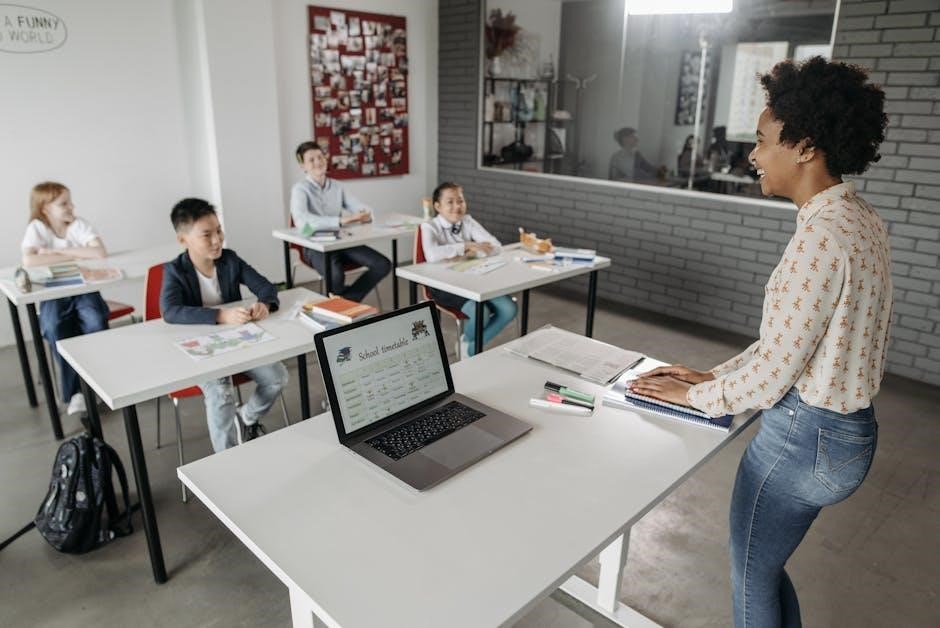
Patience and Adaptability
Patience and adaptability are cornerstones of success for instructional aides, especially when considering the nuanced difference between role and responsibility within a dynamic learning environment. Aides frequently encounter students with diverse learning styles, paces, and behavioral challenges, demanding unwavering patience and understanding.
The ability to adjust to changing classroom dynamics, unexpected situations, and evolving student needs is critical. Instructional aides must be flexible and willing to modify their approach as required, demonstrating resourcefulness and a positive attitude. Embracing new strategies and technologies also falls under adaptability.
Remaining calm under pressure and maintaining a supportive demeanor are essential qualities.
The Impact of Instructional Aides on Student Achievement
Understanding the distinction between role and responsibility is vital when assessing an instructional aide’s impact. Aides significantly contribute to improved student outcomes by providing targeted support, freeing teachers to focus on broader instructional goals. This individualized attention can be particularly beneficial for students struggling with specific concepts or needing extra encouragement.
Research indicates that students who receive consistent support from instructional aides demonstrate increased engagement, better classroom participation, and improved academic performance. Aides help bridge learning gaps and foster a more inclusive classroom environment.
Their presence allows for differentiated instruction, catering to diverse learning needs and ultimately boosting overall student achievement.

Legal and Ethical Considerations for Instructional Aides
Recognizing the difference between role and responsibility is paramount when navigating the legal and ethical landscape for instructional aides. Aides must adhere to strict confidentiality guidelines regarding student information, respecting privacy and maintaining professional boundaries. Understanding mandated reporting laws concerning suspected abuse or neglect is crucial, requiring immediate action when necessary.

Ethical conduct demands aides act as positive role models, promoting inclusivity and fairness. They should avoid conflicts of interest and maintain objectivity in their interactions with students.
Compliance with school district policies and relevant legislation is non-negotiable, ensuring a safe and supportive learning environment for all.
Current Trends and Future of Instructional Aides
The evolving educational landscape necessitates a re-evaluation of the role and responsibility of instructional aides. Current trends highlight an increasing demand for aides skilled in utilizing technology to support diverse learning needs, including assistive technologies and online learning platforms.
Personalized learning initiatives are driving a need for aides who can provide targeted, individualized support to students. Future roles will likely emphasize data collection and analysis to inform instructional decisions, requiring enhanced analytical skills.
Professional development focusing on inclusive practices and culturally responsive teaching will be essential. The future aide will be a versatile, adaptable professional, integral to student success.