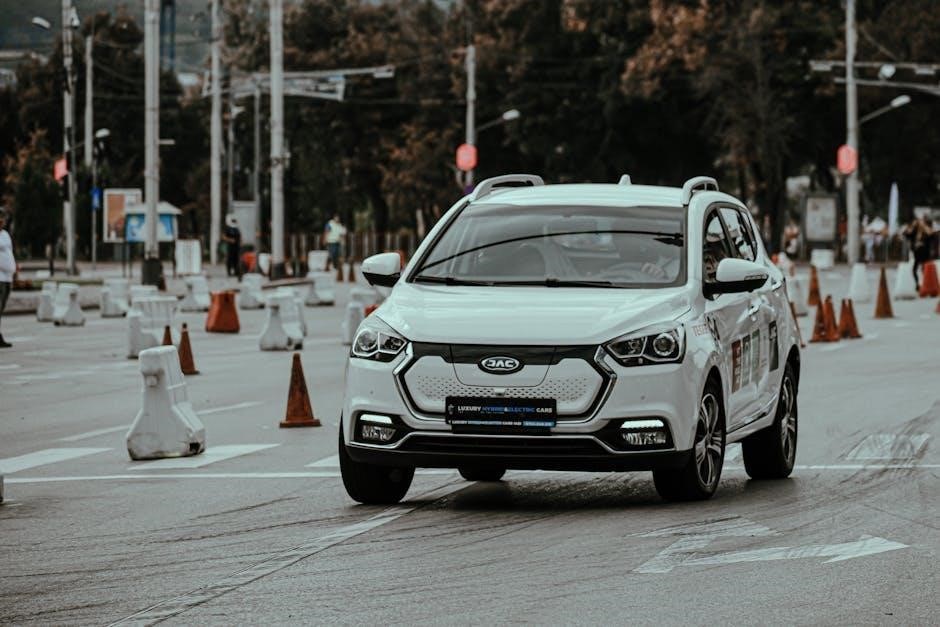
driving test checklist pdf
Driving Test Checklist PDF: A Comprehensive Guide (Updated 01/27/2026)
This comprehensive driving test checklist PDF ensures road test readiness‚ aligning with local DMV guidelines. It references the Rules of the Road‚ and emphasizes a smoke-free vehicle.
Examiners verify vehicle safety‚ and a signed agreement confirms data usage for the test process‚ detailing penalty markings and post-test fault review.
Navigating the process of obtaining a driver’s license can feel daunting‚ and the driving test is often the culminating hurdle. This driving test checklist PDF serves as an invaluable tool‚ designed to demystify the evaluation and significantly increase your chances of success. It’s more than just a list; it’s a structured approach to preparation‚ ensuring you’ve covered all essential aspects before stepping into the vehicle with the examiner.
This guide consolidates crucial information‚ referencing official resources like the Rules of the Road‚ and emphasizes the importance of a legally compliant‚ safe vehicle. It acknowledges the test environment as a workspace‚ subject to regulations like the Public Health (Tobacco) Act. By systematically working through this checklist‚ you’ll gain confidence and reduce test-day anxiety‚ knowing you’ve proactively addressed potential issues. Remember‚ preparation is key!
Why Use a Driving Test Checklist PDF?
Utilizing a driving test checklist PDF offers a multitude of benefits‚ streamlining your preparation and minimizing the risk of overlooked details. It provides a centralized‚ easily accessible document encompassing all necessary checks – from vehicle safety inspections to required documentation and understanding potential faults.
This checklist ensures adherence to legal standards‚ referencing regulations like the Public Health (Tobacco) Act concerning smoke-free vehicles during the test. It promotes a systematic approach‚ preventing last-minute scrambles and reducing test-day stress. Furthermore‚ it reinforces the examiner’s expectations‚ clarifying the evaluation criteria and potential penalty points. By proactively addressing each item‚ you demonstrate preparedness and increase your likelihood of a successful outcome‚ ultimately leading to a valid driver’s license.
Understanding the Driving Test Format
The driving test checklist PDF aids in comprehending the test’s structure‚ preparing you for each stage. Expect an examiner’s introduction followed by initial vehicle checks‚ ensuring it’s a safe and compliant workspace – adhering to regulations like the Public Health (Tobacco) Act.
The test incorporates an eyesight assessment and “Show Me‚ Tell Me” questions‚ evaluating your vehicle knowledge. Practical driving will be assessed‚ including maneuvers like bay parking and pulling up on the right. Faults are categorized – minor (demerit points)‚ serious (potential failure)‚ and immediate (critical errors). Understanding this scoring system‚ as indicated by tick markings on the examiner’s form‚ is crucial. Passing doesn’t negate the need to address marked faults‚ emphasizing continuous improvement post-test.

Vehicle Requirements for the Driving Test
The driving test checklist PDF highlights the necessity of a safe‚ legally compliant vehicle for assessment‚ subject to a thorough examiner inspection before the test begins.
Vehicle Safety Inspection – Essential Checks
Before your driving test‚ the examiner will conduct a rigorous vehicle safety inspection‚ referencing the driving test checklist PDF. This ensures the vehicle meets minimum safety standards and doesn’t pose a risk during the assessment. Key areas include functional lights – headlights‚ brake lights‚ indicators – and clean‚ undamaged windshields providing clear visibility.
The examiner will also check tire condition‚ ensuring adequate tread depth and proper inflation. Brakes must operate effectively‚ and the steering must be responsive without excessive play. All doors must open and close securely‚ and seatbelts must be in good working order for all occupants. The horn must be functional‚ and mirrors should be clean and properly adjusted.
Any safety defects identified during the inspection may result in the test being postponed until the issues are rectified‚ so proactively checking these items beforehand is crucial for a smooth testing experience.
Documentation Required for the Test
A successful driving test‚ guided by a driving test checklist PDF‚ hinges on presenting the correct documentation. Primarily‚ you’ll need a valid learner’s permit or provisional license‚ demonstrating eligibility to take the test. Proof of vehicle insurance is mandatory‚ confirming the vehicle is legally insured for road use.
Vehicle registration documents are essential‚ proving ownership and legal compliance. If the vehicle isn’t registered in your name‚ a letter of permission from the registered owner may be required. You may also need to present identification‚ such as a driver’s license photo card or passport‚ to verify your identity.
Ensure all documents are original or certified copies‚ and readily accessible for the examiner’s review. Failure to provide the necessary documentation may lead to test cancellation‚ so thorough preparation is vital.
Legal Compliance – Vehicle Standards
Utilizing a driving test checklist PDF highlights the importance of vehicle legal compliance. Your vehicle must adhere to all applicable road safety standards to ensure a valid test. This includes fully functional headlights‚ brake lights‚ and indicators‚ all operating correctly. Tires must have sufficient tread depth‚ meeting legal minimum requirements for safe grip.
Windscreen wipers and washers must be in good working order‚ providing clear visibility in all weather conditions. The vehicle must be free from any modifications that compromise its safety or legality. It’s crucial the vehicle is smoke-free‚ adhering to the Public Health (Tobacco) Act 2004.
Any warning lights on the dashboard must be investigated and resolved before the test. A vehicle failing to meet these standards will be deemed unsafe‚ resulting in immediate test failure.

Pre-Test Preparation – Mastering the Basics
A driving test checklist PDF aids preparation by reviewing the Rules of the Road‚ practicing maneuvers‚ and understanding common faults to boost confidence.
Reviewing the Rules of the Road
Thoroughly reviewing the Rules of the Road is paramount when utilizing a driving test checklist PDF for preparation. The official handbook‚ available for download from resources like www.rulesoftheroad.ie or local bookshops‚ forms the foundation of safe driving knowledge.
This comprehensive guide details everything from road signs and markings to right-of-way procedures and speed limits. Familiarity with these regulations isn’t merely about passing the test; it’s about cultivating responsible driving habits. A checklist PDF should prompt a focused review of key areas‚ ensuring you understand the legal requirements and best practices for operating a vehicle.
Pay particular attention to sections covering hazard perception‚ defensive driving techniques‚ and emergency procedures. Understanding these concepts demonstrates a proactive approach to road safety‚ a quality examiners actively assess. Consistent review‚ alongside practical driving experience‚ significantly increases your chances of success.
Practice Driving Routes and Maneuvers
A driving test checklist PDF is most effective when coupled with extensive practice on likely test routes and essential maneuvers. Familiarity breeds confidence‚ reducing anxiety during the actual assessment. Focus on mastering key skills like bay parking‚ parallel parking‚ and pulling up on the right side of the road – maneuvers frequently evaluated during the test.
Utilize the checklist to identify areas needing improvement. Repeatedly practice these maneuvers in various conditions‚ simulating the pressure of the test environment. Drive the routes commonly used by the testing center‚ noting potential hazards and practicing appropriate responses.
Remember‚ consistent practice builds muscle memory and reinforces safe driving habits. A well-prepared driver demonstrates control‚ awareness‚ and adherence to the Rules of the Road‚ significantly increasing their chances of a successful outcome.
Understanding Common Driving Test Faults
A driving test checklist PDF should highlight common faults to proactively address weaknesses. Examiners meticulously record errors‚ categorizing them as minor‚ serious‚ or immediate failures. Minor faults accumulate demerit points‚ while serious faults lead to immediate failure. Critical errors result in instant disqualification.
Understanding these distinctions is crucial for preparation. Common minor faults include hesitation at junctions‚ imperfect steering control‚ or slightly incorrect mirror checks. Serious faults encompass dangerous maneuvers like failing to observe traffic signals or unsafe lane changes. Immediate failures involve critical errors endangering other road users.
Reviewing a checklist detailing these faults allows targeted practice. Knowing what examiners look for minimizes errors and demonstrates a commitment to safe driving practices‚ ultimately boosting test performance.

During the Driving Test – What to Expect
Expect an examiner’s introduction‚ initial checks‚ and a mandatory eyesight test. Prepare for “Show Me‚ Tell Me” questions‚ and remember your vehicle is a smoke-free workspace.
The driving test commences with the examiner’s formal introduction‚ outlining the test procedure and expectations for a safe and legal drive. They will request your driving license and the vehicle’s registration documents for verification.
Crucially‚ the examiner will ask you to sign a declaration agreeing to the DVSA’s collection‚ use‚ storage‚ and sharing of your personal information specifically for the purpose of conducting the driving test.
Following this‚ a thorough vehicle inspection takes place. The examiner will assess the vehicle’s roadworthiness‚ ensuring it meets the required safety standards. This includes checking essential components like brakes‚ lights‚ indicators‚ tires‚ and the general condition of the car.
The vehicle must be presented in a clean and functional state; any defects identified during this initial check could lead to the test being immediately terminated.
Eyesight Test – Requirements and Procedure
Before commencing the practical driving assessment‚ a mandatory eyesight test is conducted to ensure you meet the minimum vision standards for safe driving. This test typically involves reading a number plate from a specified distance – usually 20 meters (approximately 66 feet).
The examiner will present a number plate with letters and numbers of a particular size. You’ll be asked to read it aloud‚ and you are permitted to wear glasses or contact lenses if you normally use them for driving.
If you fail to read the number plate correctly on the first attempt‚ you may be given a second chance. Repeated failure of the eyesight test will result in an immediate termination of the driving test‚ as safe vision is paramount.
Ensure your vision is corrected before the test to avoid unnecessary complications and potential failure.

“Show Me‚ Tell Me” Questions – Preparation
A crucial component of the modern driving test involves “Show Me‚ Tell Me” questions‚ designed to assess your practical knowledge of vehicle safety and operation. The examiner will ask you to demonstrate procedures – “Show Me” – or explain how you would handle specific situations – “Tell Me”.
Preparation is key! Familiarize yourself with common questions. Examples include “Show me how you would check the brake lights are working” or “Tell me how you would check your engine oil level”.
Practice these tasks beforehand‚ understanding why each check is important‚ not just how to perform it. A correct answer demonstrates understanding‚ while a wrong one indicates a lack of essential knowledge.
Resources like official DMV handbooks and online practice tests can help you prepare thoroughly for these vital questions.

Common Driving Test Maneuvers
Mastering key maneuvers – bay parking‚ parallel parking‚ and pulling up on the right – is vital for success. Practice these techniques diligently for a confident test.
Bay Parking – Step-by-Step Guide
Successfully executing bay parking demonstrates control and spatial awareness‚ crucial elements assessed during the driving test. Begin by signaling your intention and positioning your vehicle appropriately alongside the bay.
Slowly maneuver forward‚ aiming to align your vehicle with the entrance of the bay. Utilize your mirrors and blind spot checks frequently. Once aligned‚ gently steer into the bay‚ controlling your speed to avoid hitting any obstacles.
Adjust your position as needed‚ ensuring sufficient space between your vehicle and adjacent cars. Remember to straighten your steering wheel once fully parked. Reverse slowly to refine your positioning‚ and finally‚ select park and apply the handbrake.
Practice this maneuver repeatedly in various bay sizes to build confidence and precision. A smooth‚ controlled bay park significantly enhances your chances of passing.
Parallel Parking – Techniques and Tips
Mastering parallel parking is often a significant hurdle for driving test candidates. Begin by signaling and positioning your vehicle alongside the vehicle ahead‚ maintaining approximately two feet of space.
Reverse slowly‚ turning the steering wheel fully towards the curb when your rear wheel aligns with the other vehicle’s rear bumper. Continuously check mirrors and blind spots.
As your car enters the space‚ straighten the steering wheel and continue reversing until you achieve a suitable angle. Then‚ turn the wheel sharply in the opposite direction to align with the curb.
Forward and reverse adjustments may be necessary to center your vehicle within the space. Practice consistently‚ focusing on smooth control and accurate positioning. A well-executed parallel park demonstrates competence and confidence.
Pulling Up on the Right Side of the Road
Successfully executing a controlled stop on the right side of the road is a fundamental skill assessed during the driving test. Signal your intention clearly and safely maneuver the vehicle towards the curb.
Maintain a safe distance from parked cars and any obstacles. Aim to position the vehicle approximately 12-18 inches from the curb‚ ensuring sufficient space for pedestrians and potential door openings.
Bring the vehicle to a complete stop smoothly and accurately‚ without mounting the curb or encroaching on pedestrian walkways.
Throughout the maneuver‚ maintain awareness of surrounding traffic and pedestrians. A precise and controlled pull-up demonstrates your ability to operate the vehicle safely and responsibly in various traffic situations.
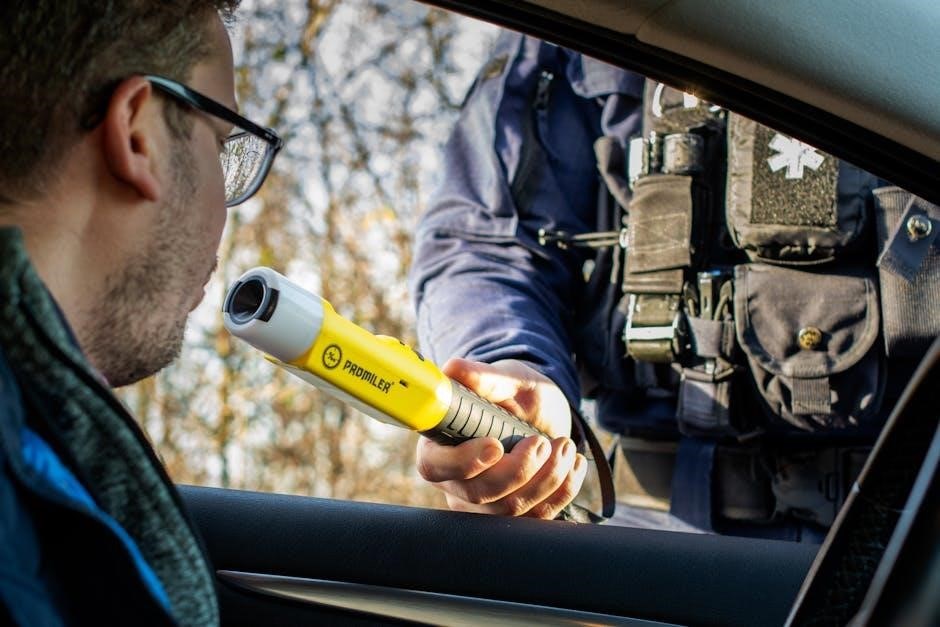
Faults and Penalties – Understanding the Scoring
Demerit points indicate minor faults‚ while circled ticks signify immediate failure. Understanding this scoring system is crucial for navigating the driving test effectively.
Minor Faults – Demerit Points
Minor driving faults‚ indicated by a simple tick on the examiner’s sheet‚ accumulate demerit points during your test. These don’t automatically lead to failure‚ but a certain accumulation will impact the overall result.
These faults generally represent areas where your driving wasn’t dangerous‚ but could be improved. Examples include hesitation when approaching a junction‚ a slightly late gear change‚ or imperfect observation.
The number of demerit points assigned to each minor fault varies depending on its severity. It’s important to remember that the examiner is looking for a consistently safe standard of driving‚ and minor faults demonstrate areas where you haven’t quite reached that level.
While accumulating a few minor faults is common and often expected‚ excessive points will result in a test failure. Therefore‚ striving to minimize these errors is key to a successful outcome.
Serious Faults – Immediate Failure
Serious driving faults‚ marked with a tick inside a circle on the examiner’s form‚ result in immediate test failure. These errors demonstrate a significant risk to yourself and other road users‚ indicating a lack of fundamental driving competence.
Examples include failing to observe a major road sign‚ dangerous maneuvers at junctions‚ or a significant lapse in concentration. Any action that could potentially cause an accident falls into this category.
Unlike minor faults which accumulate‚ even a single serious fault instantly terminates the test. The examiner’s priority is public safety‚ and a serious error proves you aren’t yet capable of driving safely unsupervised.
Understanding the difference between minor and serious faults is crucial for test preparation. Focus on avoiding any action that could be deemed a serious risk‚ ensuring a safe and controlled driving performance.
Immediate Failure – Critical Errors
Beyond serious faults‚ certain actions constitute ‘critical errors’ leading to instant test failure. These are the most dangerous mistakes a driver can make‚ demonstrating a complete disregard for safety and traffic laws. They are also marked with a tick inside a circle on the examiner’s sheet.
Critical errors encompass actions like causing a collision‚ endangering pedestrians‚ or disobeying direct instructions from the examiner. Any maneuver that presents an immediate and unavoidable threat to life or property results in termination of the test.
These errors aren’t simply about accumulating demerit points; they signify a fundamental inability to operate a vehicle safely. The examiner has a duty to protect all road users‚ and a critical error demonstrates unacceptable risk.
Preparation should prioritize avoiding these catastrophic mistakes through diligent practice and a thorough understanding of road safety principles.

Post-Test Procedures and Resources
Following the test‚ understand the outcome‚ explore appeal options if needed‚ and download a driving test checklist PDF for future reference and continued improvement.
What Happens After the Test?
Immediately after completing the driving test‚ the examiner will inform you of the result – pass or fail. If you pass‚ you’ll typically receive a provisional license or instructions on obtaining your full license. The examiner will provide feedback on your performance‚ highlighting strengths and areas for improvement‚ even if you’ve passed.
If you fail‚ the examiner will explain the reasons for the failure‚ detailing the faults made during the test. This feedback is crucial for focused practice. You’ll receive a copy of the examiner’s report outlining these faults‚ categorized as minor‚ serious‚ or immediate failures.
Regardless of the outcome‚ you can discuss the test with the examiner briefly. Remember to review the checklist PDF and address any identified weaknesses before rebooking another test. A passed test doesn’t mean learning stops; continuous improvement is key to safe driving!
Appealing a Driving Test Result
If you believe the driving test result was unfair or inaccurate‚ you generally have the right to appeal. However‚ appeals are typically only considered for specific grounds‚ such as examiner misconduct‚ a procedural error during the test‚ or a demonstrable error in the assessment of your driving.
Simply disagreeing with the examiner’s judgment isn’t usually sufficient grounds for a successful appeal. The appeal process usually involves submitting a written request‚ outlining the reasons for your appeal and providing supporting evidence. This might include details of the test conditions or specific maneuvers contested.
Review your driving test checklist PDF and the examiner’s report carefully before deciding to appeal. Be prepared to present a clear and concise case. Check your local DMV website for specific appeal procedures and deadlines‚ as these vary by jurisdiction.
Downloading a Driving Test Checklist PDF
Accessing a driving test checklist PDF is a crucial step in your preparation. Many state Department of Motor Vehicles (DMV) websites offer downloadable checklists directly on their official pages. These PDFs are typically free of charge and designed to align with the specific requirements of that state’s driving test.
Alternatively‚ numerous third-party websites provide driving test checklists‚ but ensure they are current and relevant to your location. Always cross-reference information with your local DMV to confirm accuracy. A comprehensive checklist will cover vehicle requirements‚ necessary documentation‚ and common maneuvers.
Downloading and printing the checklist allows for convenient‚ offline review. Use it during practice sessions to identify areas needing improvement‚ ensuring you’re fully prepared on test day. Remember to check for updates regularly‚ as test criteria can change.

Resources for Further Study
Explore official DMV websites and handbooks for detailed guidance. Approved driving instructor resources and online practice tests offer valuable support for mastering driving skills.
Official DMV Websites and Handbooks
Accessing official Department of Motor Vehicles (DMV) websites is paramount for comprehensive preparation. These platforms provide the most accurate and up-to-date information regarding testing procedures‚ vehicle requirements‚ and local regulations.
Downloadable handbooks are invaluable resources‚ detailing the rules of the road‚ traffic laws‚ and safe driving practices. Thoroughly reviewing these materials ensures a strong understanding of the knowledge base assessed during the driving test.
Many DMVs offer practice tests online‚ simulating the actual test format and providing immediate feedback on areas needing improvement. Familiarizing yourself with these resources builds confidence and reduces test-day anxiety.
Furthermore‚ official websites often contain specific checklists tailored to your state‚ complementing the general driving test checklist PDF and ensuring you address all necessary components for a successful evaluation.
Approved Driving Instructor Resources
Engaging with an approved driving instructor offers personalized guidance tailored to your skill level and local testing criteria. These professionals provide structured lessons‚ focusing on mastering essential maneuvers and addressing individual weaknesses identified through practice sessions.

Instructors often utilize comprehensive checklists‚ mirroring the elements of a driving test checklist PDF‚ to track progress and ensure all required skills are proficiently demonstrated. They can offer invaluable insights into common examiner expectations and potential pitfalls.
Beyond practical driving skills‚ instructors emphasize hazard perception and defensive driving techniques‚ crucial for safe and responsible road usage. Their expertise extends to understanding the latest changes in traffic laws and testing procedures.
Utilizing instructor resources complements self-study‚ providing a balanced approach to preparation and maximizing your chances of success on the driving test.
Online Practice Tests and Tutorials
Supplementing your preparation with online practice tests and tutorials offers a convenient and cost-effective way to reinforce your understanding of driving regulations and test procedures. Numerous platforms provide realistic simulations of the actual driving test‚ allowing you to familiarize yourself with the format and question types.
These resources often include interactive modules covering essential topics‚ such as road signs‚ traffic laws‚ and safe driving techniques. Many platforms also offer detailed explanations for correct and incorrect answers‚ aiding in knowledge retention.
When utilizing online resources‚ ensure they are up-to-date and aligned with your local DMV’s requirements‚ complementing your driving test checklist PDF; Look for platforms offering hazard perception tests and maneuver simulations.
Consistent practice with these tools builds confidence and helps identify areas needing further attention‚ ultimately enhancing your preparedness.