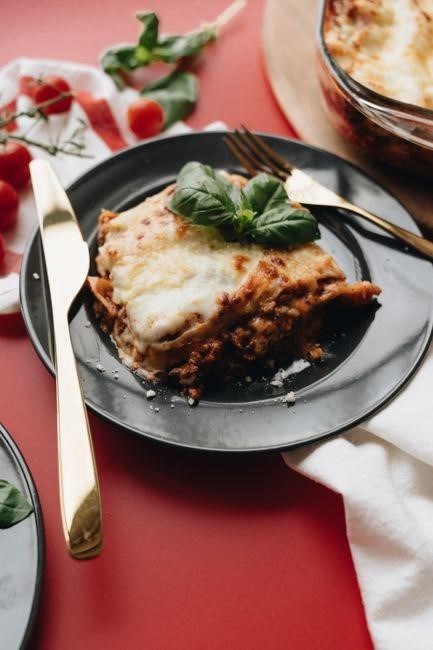
oven ready lasagna instructions
Oven‑ready lasagna eliminates pre‑boiling, letting sheets absorb sauce during baking. Simply layer uncooked noodles, meat sauce, cheese blend, and sauce in a 9×13 pan. The noodles expand, creating tender layers while the cheese melts into a golden crust. A quick solution for family nights now
No Pre-Boiling Required
Oven‑ready lasagna sheets are pre‑cooked and only need to absorb moisture during baking, eliminating the traditional boiling step. This convenience saves time, reduces kitchen clutter, and allows the noodles to expand naturally as they soak up sauce. When assembling, start by spreading a thin, even layer of marinara or meat sauce on the bottom of a 9×13 baking dish. Then lay the uncooked sheets side‑by‑side, overlapping slightly if necessary; the sheets will stretch to fill the pan’s width as they cook. After the first noodle layer, pour a second thin coat of sauce, followed by a generous dollop of a ricotta‑mozzarella‑parmesan blend, and repeat the sequence until the pan is filled. Finish with a final layer of sauce and a generous sprinkling of shredded mozzarella or a mix of mozzarella and provolone for a crisp, golden top. Because the noodles are pre‑cooked, the baking time is reduced to about 35–40 minutes at 375°F, and the dish emerges tender with a cohesive texture that rivals traditionally boiled lasagna. For best results, ensure each layer has enough liquid; if the sauce seems too thick, add a splash of water or broth. This method is ideal for busy weeknights, family gatherings, or when you need a quick, fuss‑free casserole that still delivers authentic Italian flavor and a satisfying, melt‑in‑your‑mouth experience. The simplicity of this technique means you can prepare the lasagna in under an hour, making it a perfect choice for holiday meals, potlucks, or a dinner after a long day today.
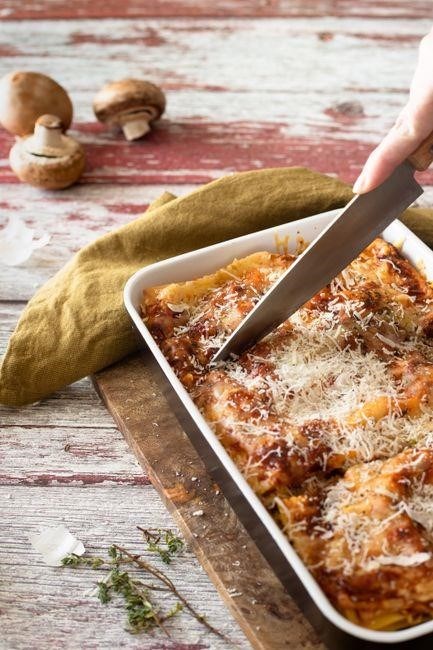
Key Advantages of Oven Ready Noodles
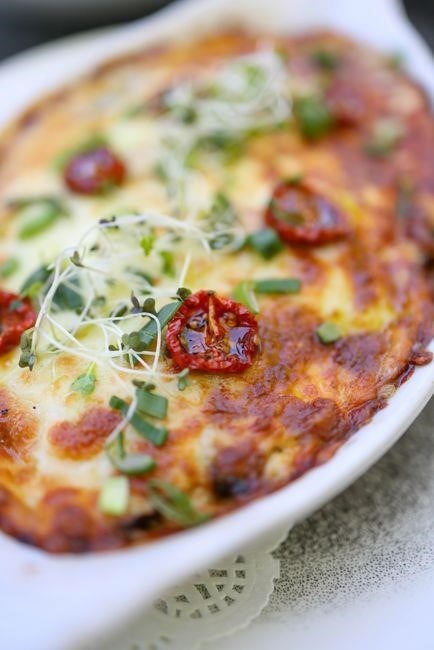
Oven‑ready noodles cut prep time, skip boiling, reduce cleanup, and still absorb sauce fully during baking. They expand evenly, ensuring consistent texture, and keep the dish moist. Ideal for busy schedules, family dinners, or large gatherings, offering convenience without sacrificing flavor. Enjoy!!
Common Brands and Availability
Popular brands include Barilla, Ronzoni, and Great Value, each offering 9‑oz or 12‑oz packages. Barilla’s “Oven‑Ready Lasagna” is available in both 9‑oz and 12‑oz sizes, with a 9‑oz bag typically holding 10 sheets, while the 12‑oz bag contains 15 sheets. Ronzoni’s “Oven‑Ready Lasagna” comes in a 12‑oz bag with 12 sheets, and Great Value offers a budget 9‑oz option with 10 sheets. All three brands provide a convenient no‑boil option that expands during baking, allowing the noodles to absorb sauce and moisture. Seasonal promotions or bulk packs can be found during holidays or back‑to‑school periods, offering savings for families who cook frequently. When shopping, check the packaging for “oven‑ready” or “no‑boil” labels, as some products are labeled “pre‑cooked” and may require a brief simmer before layering. The choice of brand can affect the thickness of the sheets and the amount of sauce needed, so it’s helpful to read the instructions on the box. For those seeking organic or gluten‑free options, brands like Barilla’s “Gluten‑Free Oven‑Ready Lasagna” offer alternatives. Consumers can also opt for premium lines that promise thicker sheets and richer flavor for adventurous cooks. and flair! Enjoy!!! and a sprinkle of oregano for extra aroma. Appétit Availability and variety of brands make oven‑ready lasagnachoice for hassle‑free meals.
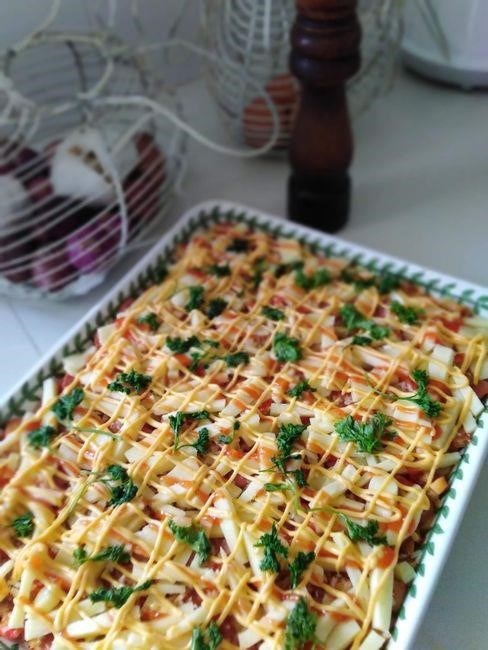
Essential Ingredients and Their Preparation
Gather 4 sheets of oven‑ready lasagna, 2 cups marinara, 1 cup shredded mozzarella, ½ cup ricotta, ¼ cup grated parmesan, 1 beaten egg, 1 tsp fresh basil, 1 lb ground beef, 1 tbsp olive oil, salt, pepper. Brown beef in oil, stir in sauce, set aside. Mix cheeses, egg, basil. Ready to layer. for good!!!.
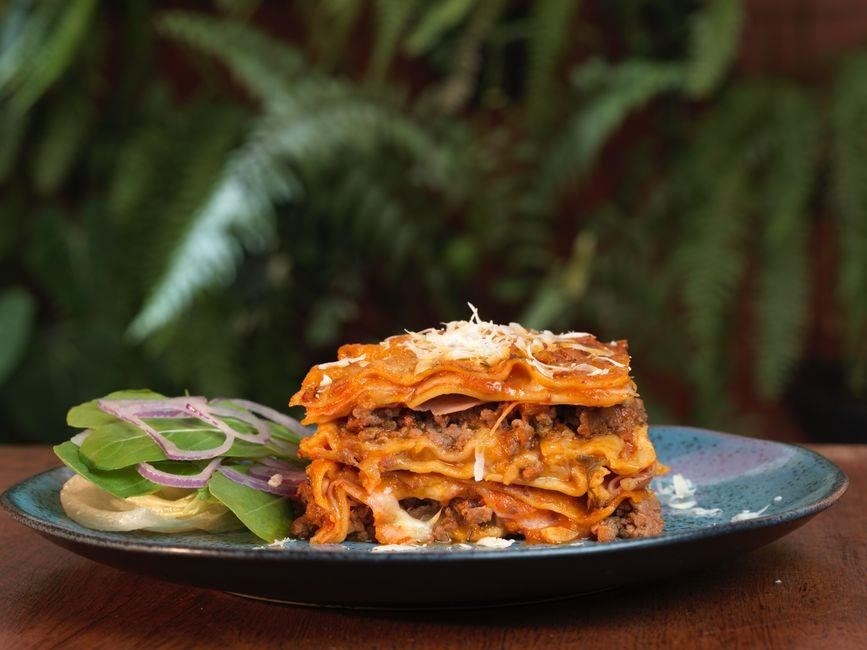
Balancing Moisture in the Sauce
Oven‑ready lasagna sheets swell as they bake, so the sauce must supply enough liquid to keep noodles tender and prevent drying. A common technique is to blend the standard marinara with a splash of water—about one cup per 2 cups of sauce—to increase moisture without diluting flavor. When browning the ground beef, reserve the pan drippings; they add richness and help the sauce coat the noodles evenly. After adding the beef to the sauce, stir in the extra water and bring to a gentle simmer; this ensures the sauce is thick enough to cling to the sheets yet fluid enough to seep through the layers. If you prefer a thicker consistency, reduce the sauce by simmering it uncovered for a few minutes before adding the water; this concentrates the tomato base. For a richer taste, mix in a tablespoon of tomato paste and a pinch of sugar to balance acidity. Finally, when assembling the lasagna, spread a thin, even layer of sauce on the bottom of the pan, then lay the first set of noodles. The sauce should cover the noodles completely, leaving no exposed sheet that could dry out. Repeat the layering process, ensuring each noodle sheet is fully saturated. This careful moisture management guarantees a moist, flavorful lasagna that cooks uniformly and delivers a satisfying bite throughout. If you find the sauce too thick after baking, drizzle a little beef broth or extra marinara over the top before serving to restore juiciness. For an indulgent twist, incorporate a tablespoon of heavy cream or a splash of milk into the sauce; this not only adds moisture but also smooths the acidity, creating a silkier texture that clings to the noodles. Remember to keep the oven at 375°F; a steady temperature allows the noodles to absorb liquid gradually, preventing a soggy bottom while still achieving a crisp top.
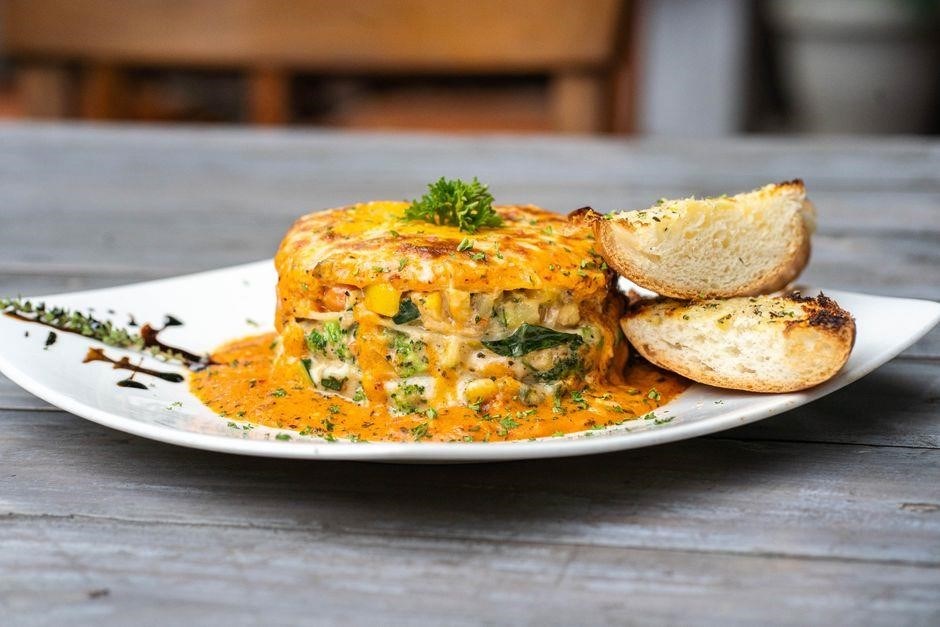
Preparing the Meat Sauce
Begin by heating a large skillet over medium heat. Add a tablespoon of olive oil, allowing it to shimmer. Introduce 1 pound of ground beef, breaking it apart with a wooden spoon. Cook until the meat turns brown and juices begin to pool, about 8–10 minutes. Drain excess fat, reserving a tablespoon for flavor depth. Return the skillet to low heat and stir in 1 diced onion, 2 minced garlic cloves, and a pinch of salt; sauté until the onion softens, roughly 5 minutes. Pour in 2 cups of marinara sauce, 1 cup of beef broth, and a splash of red wine for acidity. Stir in a teaspoon of dried oregano, a dash of crushed red pepper, and a tablespoon of tomato paste to enrich the base. Bring the mixture to a gentle simmer, allowing the flavors to meld for 15 minutes, then reduce heat to low. Let the sauce thicken, stirring occasionally, until it coats the back of a spoon. Finally, taste and adjust seasoning with pepper or a touch of sugar if acidity lingers.
To elevate the sauce, consider adding a splash of red wine or a spoonful of tomato paste for depth, and a pinch of dried basil or oregano for aromatic layers. If you prefer a richer profile, stir in a tablespoon of butter or a dash of Worcestershire sauce toward the end of simmering. For a subtle sweetness, a teaspoon of sugar or a drizzle of honey can balance tartness. Finally, let the sauce rest for 10 minutes after removing from heat; this allows flavors to meld and the sauce to thicken slightly, ensuring a bite when with noodles.
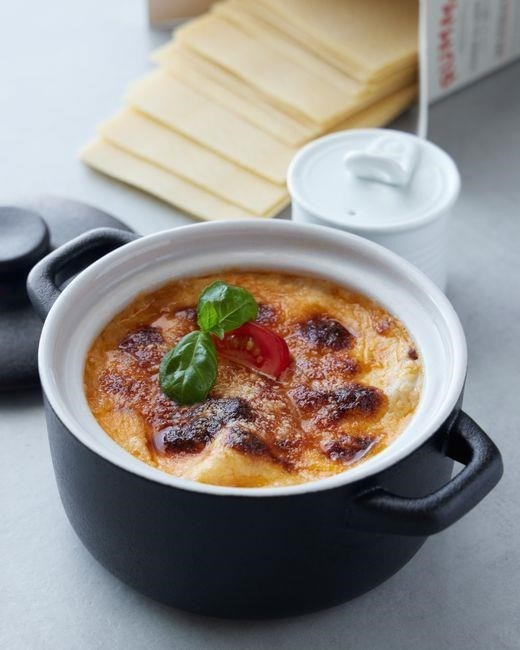
Preparing the Cheese Mixture
Combine 1 cup ricotta, 1 cup shredded mozzarella, ½ cup grated Parmesan, 2 beaten eggs, and a handful of fresh basil. Mix until smooth, then fold in a pinch of salt and pepper. This creamy blend will layer between noodles, creating a rich, golden top. Top with mozzarella before baking for crisp finish!
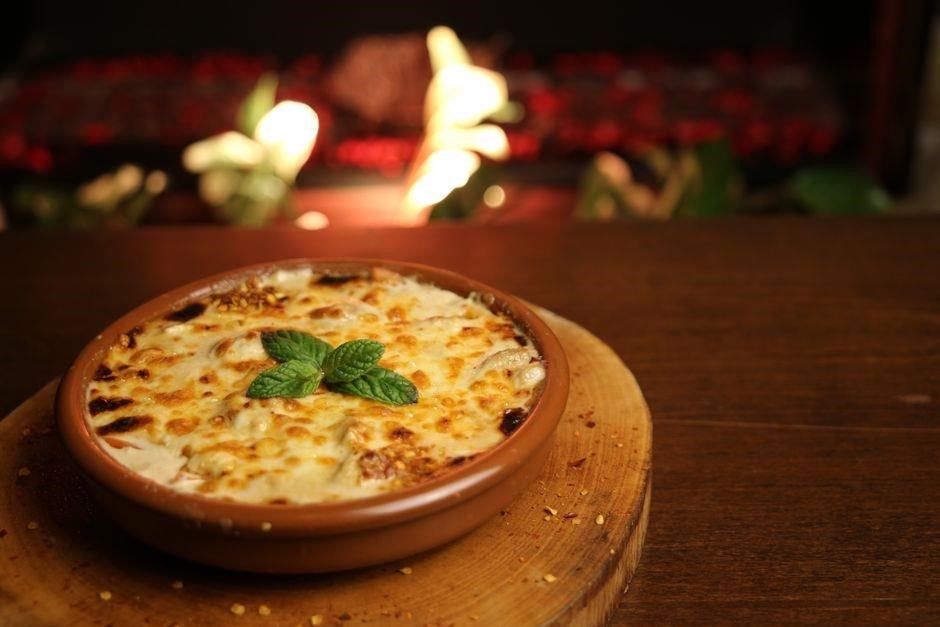
Mixing Ricotta, Mozzarella, Parmesan, Eggs, Basil
Begin by placing 1 cup of creamy ricotta in a medium bowl, then add 1 cup of shredded mozzarella and ½ cup of freshly grated Parmesan. Whisk the cheeses together until the mixture is smooth and slightly runny. In a separate small bowl, beat two eggs until the whites and yolks are fully blended. Add the beaten eggs to the cheese blend, stirring continuously to prevent curdling. Sprinkle in a handful of chopped fresh basil leaves, a pinch of salt, and freshly ground black pepper. Mix until the basil is evenly distributed and the mixture has a silky consistency. This ricotta‑based blend will serve as the middle layer of your lasagna, providing moisture, flavor, and a golden crust when baked. Use a spoon or spatula to spread the mixture evenly over the noodles, ensuring every sheet is coated. The combination of ricotta’s tang, mozzarella’s stretch, Parmesan’s nutty depth, eggs’ binding power, and basil’s aromatic freshness creates a harmonious flavor profile that elevates the dish. Serve immediately or refrigerate for up to 24 hours before assembling the lasagna.
The mixture’s creamy texture balances the hearty meat sauce, while the eggs bind the cheeses, preventing separation during baking. A handful of fresh basil adds a bright, herbal note that cuts through the richness. Spread the blend evenly to ensure each noodle receives moisture, resulting in a tender, cohesive lasagna that melts in the mouth. Let the lasagna rest for ten minutes before serving to allow the flavors to meld soon.
Assembling the Lasagna Layers
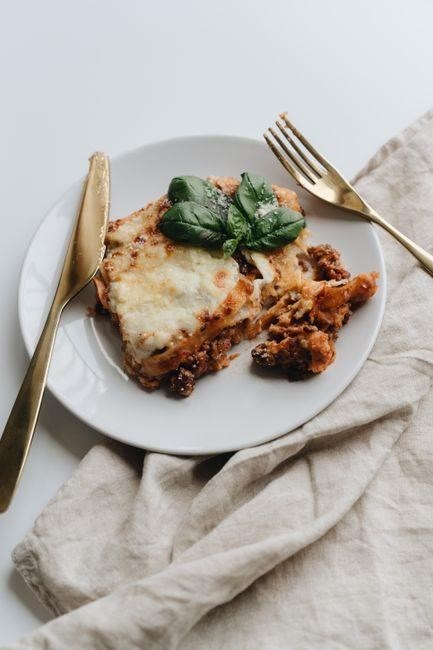
Start by spreading a thin layer of sauce on the pan’s bottom. Lay uncooked noodles, overlapping slightly. Spoon meat sauce over noodles, then dollop the cheese blend. Repeat until all ingredients are used, finishing with a layer of sauce and mozzarella herbs. !
Layering Order: Noodles, Sauce, Meat, Cheese
Begin by laying a thin, even coat of marinara or your preferred pasta sauce across the bottom of a 9×13-inch baking dish. This base prevents the noodles from sticking and supplies moisture as they expand. Next, arrange the first layer of uncooked oven‑ready lasagna sheets, allowing them to overlap slightly; the sheets will absorb the sauce and soften during baking. After the noodles, spoon a generous portion of the browned meat sauce over the sheets, spreading it to cover the surface. Then, add a layer of the prepared cheese mixture—typically a blend of ricotta, mozzarella, Parmesan, eggs, and herbs—spreading it evenly to create a creamy middle. Repeat the noodle, sauce, meat, and cheese layers until the dish is nearly full, ensuring each component is evenly distributed. Finish with a final layer of sauce, and top with shredded mozzarella and a sprinkle of grated Parmesan to encourage a golden, bubbly crust. Cover the dish with foil for the first part of baking to trap steam, then remove the foil in the last 15 minutes to allow the cheese to brown. This systematic layering ensures balanced flavors, even cooking, and a visually appealing, golden‑top lasagna that satisfies both novice cooks and seasoned chefs alike. When the lasagna finishes baking, let it rest ten minutes before slicing; this sets the layers, making it to serve and ensuring each bite delivers savory, cheesy, and herbaceous flavors that define this classic now. Enjoy tonight!!!!
Baking and Finishing Techniques
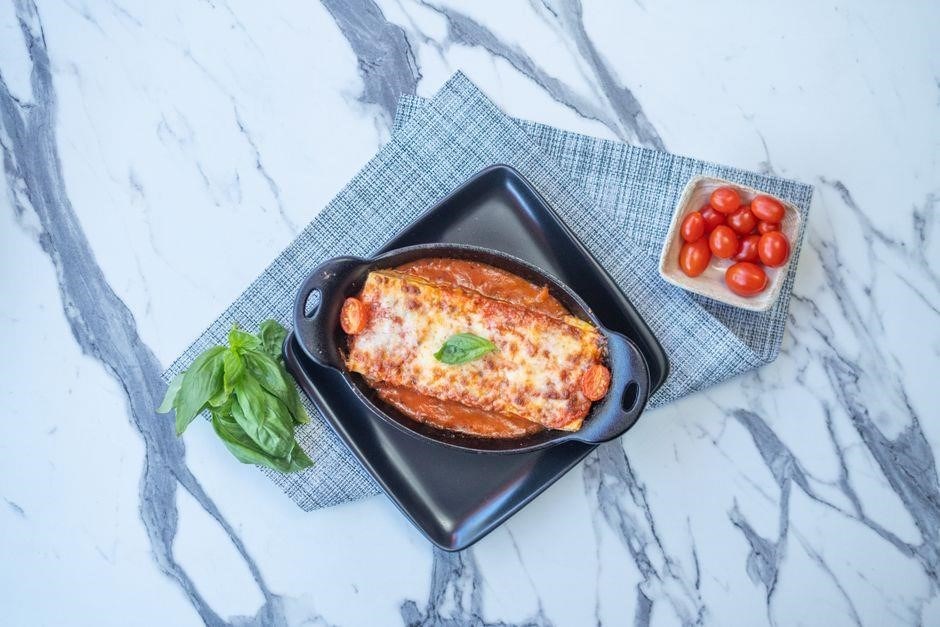
Preheat oven to 375°F. Cover lasagna with foil, bake 35 minutes, then remove foil and bake 10 more minutes until cheese melts and browns. For a crisp top, broil for 2–3 minutes, watching closely. Let rest 10 minutes before slicing. Enjoy a golden finish.!!Savor the layers. for perfect bite.
Preheat Oven to 375°F
Preheating the oven to 375°F is a critical step that ensures even cooking and optimal texture for oven‑ready lasagna. The temperature is high enough to activate the cheese and sauce, creating a golden crust, yet moderate enough to allow the noodles to absorb liquid without becoming mushy. Begin by placing the oven rack in the center, which promotes uniform heat distribution. Use a reliable oven thermometer to confirm the set temperature, as many built‑in thermostats can drift over time. A consistent 375°F allows the lasagna to bake for the recommended 45 minutes, giving the noodles time to expand and the flavors to meld. If your oven has a convection setting, you can reduce the time by 5–10 minutes, but keep the temperature unchanged to avoid over‑browning. Preheating also helps the baking sheet or pan reach the correct temperature before the lasagna is placed inside, preventing a sudden temperature shock that can cause uneven cooking. Once the oven reaches 375°F, let it stabilize for a minute before sliding the covered dish into the oven. This brief pause ensures the internal heat is steady, which is especially important when baking a multi‑layered dish that relies on gradual moisture release. After the lasagna has baked, remove it carefully, let it rest for ten minutes to set the layers, and then serve. Finally, plate the lasagna in generous slices, garnish with fresh basil, and serve hot to enjoy the comforting aroma and layered flavors of classic dish.!
Broiling for a Golden Top
After the lasagna has baked at 375°F for the recommended time, lift the foil cover and place the dish under the broiler for 2–4 minutes. The high, direct heat melts the remaining cheese, producing a crisp, golden surface. Watch closely; the top can brown quickly, especially if the pan is close to the broiler element. Adjust the rack position to keep the lasagna a few inches from the heat source, ensuring even browning without scorching. If your oven’s broiler has a fan, use the “broil” setting to circulate hot air, which helps the cheese brown uniformly. For a deeper color, sprinkle a light dusting of grated Parmesan or a thin layer of mozzarella before broiling. This not only adds flavor but also creates a slightly crunchy texture on the surface. Once the cheese reaches a golden hue, remove the lasagna from the oven immediately to prevent over‑browning. Let the dish rest for 10 minutes; this allows the layers to set, making slicing easier and preserving the structure. When serving, use a wide spatula to lift whole sections, showcasing the glossy, caramelized top. The broiling step transforms the dish from a hearty casserole into a visually appealing centerpiece, enhancing both aroma and taste. Enjoy the comforting, melt‑in-your‑mouth experience that only a perfectly broiled lasagna can deliver.
Tip: If the top browns too fast, tent the lasagna with foil to prevent burning while the interior finishes cooking. This simple trick keeps the cheese moist and the flavor balanced.!!!